
FAT & SAT: The Two Acceptance Tests That Decide Equipment Performance — Lessons from Real Tablet Press Run-offs
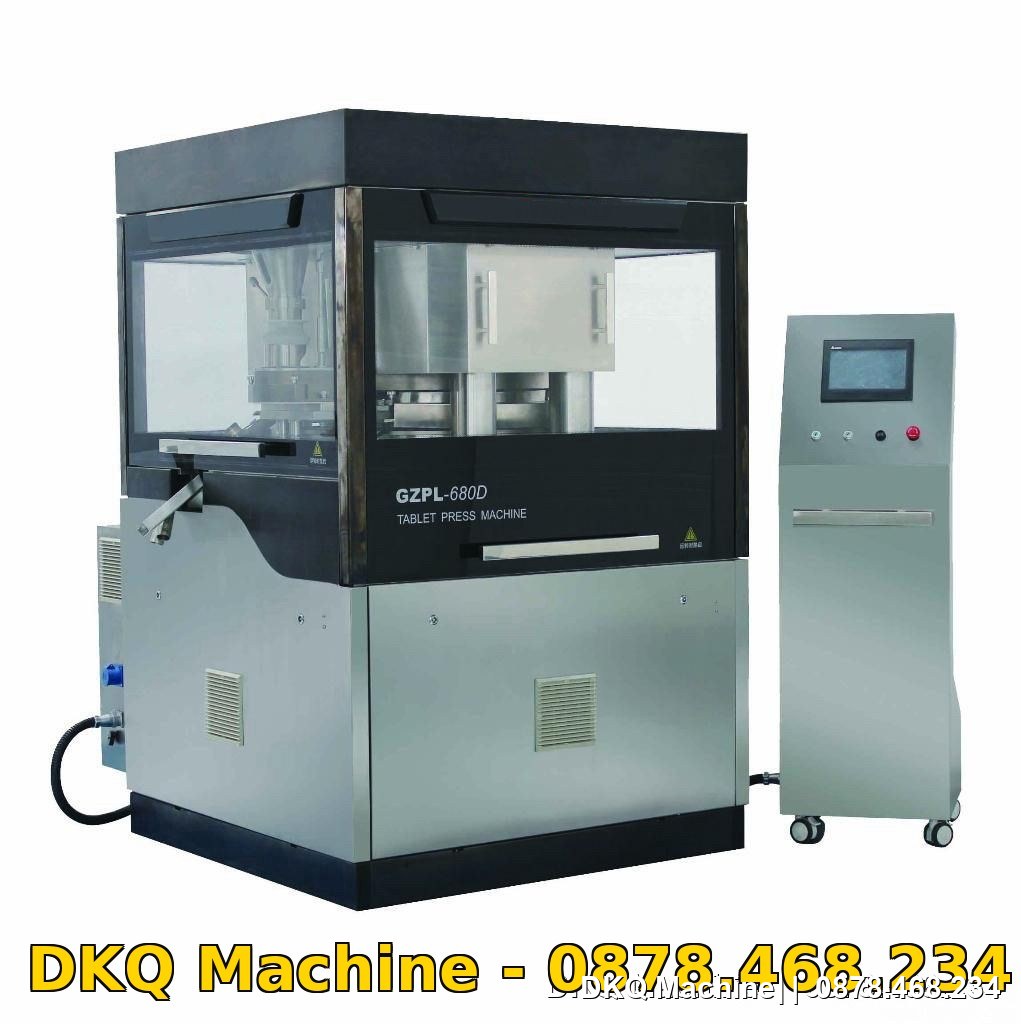
A familiar story: a factory signs a contract for a high-speed tablet press, the container arrives at the port, and only after installation do the technicians discover the turret is off by a few hundredths of a millimetre after transport, and the force sensor reads 10–15% wrong. The validation dossier, meanwhile, was already stamped “accepted” from an acceptance review done by e-mail. The result: the machine sits idle, the warranty dispute drags on for months, and production is lost right in peak season. FAT (Factory Acceptance Test) and SAT (Site Acceptance Test) are the two “checkpoints” that transfer risk from supplier to buyer transparently — but only when they are done properly.
FAT takes place at the manufacturer’s workshop, before the equipment is crated for shipment. The core of it: line-by-line verification against the approved URS/FDS — motor configuration, product-contact materials (316L stainless steel, surface roughness Ra ≤ 0.8 µm), safety features, speed specifications. Then come the trial runs: 30 minutes dry-run to listen to the bearings, measure vibration and temperature; followed by a loaded run with placebo material for 2–4 hours continuously. For a 45-station rotary press with a design capacity of 300,000 tablets/hour, a serious FAT must record hard numbers: 2 hours of continuous running at ≥ 95% of design capacity, tablet weight CV ≤ 1%, hardness CV ≤ 5%, main bearing temperature ≤ 60°C, noise ≤ 80 dB(A), vibration ≤ 4.5 mm/s per ISO 10816. A fault found at the workshop takes a few hours to fix; the same fault discovered at the factory takes weeks — and can turn into a contract dispute.
SAT takes place at the buyer’s plant after installation is complete, with the goal of confirming: the equipment was not damaged in transit (check shock indicators if fitted, bolts, levelling), installation matches the layout drawings, the three-phase power, compressed air and water supplies meet design requirements, and the full FAT protocol can be repeated under real operating conditions. The difference lies in “real conditions”: plant voltage can fluctuate ±10%, and unfiltered compressed air visibly saps the performance of a high-speed machine. SAT is also a knowledge-transfer session — the plant maintenance team must be present, because they are the ones who will live with the equipment for the next 10–15 years.
Common half-hearted practices and their price: skipping FAT to save travel cost (3–5 man-days, air tickets) and paying instead with 2–3 weeks of downtime; an FAT with no checklist, no signatures, just an e-mail saying “accepted”; an SAT merged into the OQ so installation errors stay hidden; no retained trial-run tablet samples, no video recording — when a dispute erupts, there is no evidence left. Every one of these shortcuts ends the same way: the operator pays.
From DKQ’s experience hosting acceptance runs at our workshop, a few battle-tested principles. One: require the supplier to send the FAT protocol two weeks in advance so both sides approve it — never draft the checklist on arrival. Two: send mechanical–electrical engineers and QC to the FAT, never someone “along for the trip”. Three: video-record the entire run, keep tablet samples, and record measured values in minutes signed by both parties — this dossier becomes the backbone of the later IQ/OQ. Four: if travelling is impossible, a remote FAT over video call with a digitally signed checklist is still far better than skipping it. For SAT: check power and air quality before starting the machine, and always run one batch with the real product — some faults only appear with real powder, never with placebo. From the other side of the table, when DKQ hosts customers for acceptance testing, the workshop always has the protocol, trial material, force gauge, hardness tester, sound-level meter and infrared thermometer ready — so a rigorous FAT wraps up in 1–2 days.
Conclusion: FAT/SAT are not administrative formalities in a validation dossier; they are the risk-transfer mechanism and the cheapest insurance for the 10–15 years of operation ahead. Spend 3–5 man-days on a serious acceptance test to save weeks of downtime and endless warranty arguments. A good machine is not a lucky machine — it is a machine that was properly tested at the manufacturer’s workshop before it ever left the door.