
Shrimp Infected with Acute Hepatopancreatic Necrosis Disease (AHPND): Handle It Correctly to Stop the Spread
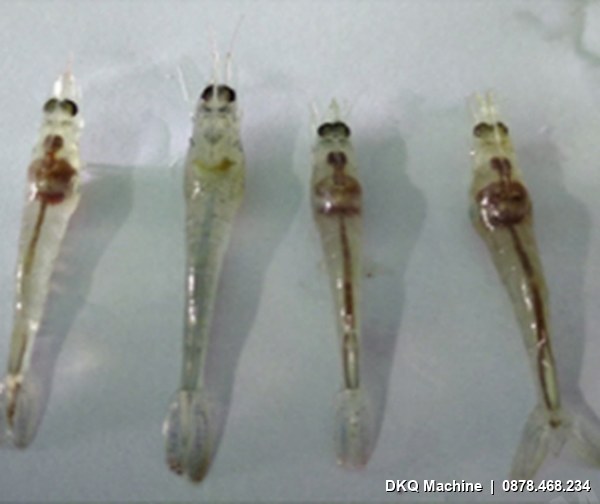
Acute hepatopancreatic necrosis disease (AHPND), also known as early mortality syndrome (EMS), remains one of the most dangerous diseases in brackish-water shrimp farming. Infected shrimp typically stop feeding, develop a shrunken, pale hepatopancreas and die gradually within the first 30–35 days after stocking; mishandling can cost a farmer the entire crop. Recently, a farmer in Thai Thuy commune (Hung Yen province) asked Vietnam Fisheries Magazine: what is the correct way to handle shrimp infected with this disease?
According to guidance from the veterinary authority summarized by the magazine, the response depends on the actual condition of the shrimp stock. In the first scenario, shrimp carry the AHPND-causing gene but are not yet dying: farmers should apply integrated disease-prevention measures, strengthen the shrimp’s resistance and prevent diseased shrimp from spreading to other ponds. Culture environment parameters must be kept within suitable ranges, avoiding sharp fluctuations that weaken shrimp health and immunity.
In the second scenario, shrimp carry the virulent AHPND gene and have started dying: absolutely do not self-treat, and do not discharge untreated wastewater or waste into the environment. Diseased shrimp that reach commercial size can be used as food, animal feed or for other purposes, except as broodstock or fresh feed for other aquatic animals. Shrimp that have not reached harvest size must not be discarded into the environment. Shrimp may only be transported out of the disease zone after handling under the guidance of the veterinary authority. At the same time, pond water and wastewater must be treated, and tools, ponds, tanks and pond bottoms disinfected, with crustaceans killed using permitted chemicals. Whether to continue farming or pause temporarily depends on the actual situation and the guidance of the local aquaculture authority; if farming continues, safe brackish-water shrimp farming procedures for disease zones must be applied.
From an equipment perspective, AHPND currently has no specific cure, so prevention through environmental management remains the root solution. Automatic feeders help control feed rations and reduce leftover feed settling on the pond bottom, where pathogenic bacteria thrive. Paddle-wheel aerators and bottom aeration systems maintain stable dissolved oxygen and reduce environmental shock, a key factor that weakens shrimp immunity. If intake water is mechanically filtered and disinfected with UV or ozone, pathogens can be stopped at the source. And when a diseased pond must be treated, automatic chemical-dosing equipment ensures disinfection at the correct dose, evenly across ponds and tanks, avoiding chemical overuse that leaves residues and reduces long-term effectiveness. Equipment-based prevention is the cheapest way to de-risk every shrimp crop.
Source: Vietnam Fisheries Magazine — https://thuysanvietnam.com.vn/xu-ly-tom-bi-nhiem-benh-hoai-tu-gan-tuy-cap-tinh/